


Book Consultation
Confidential Consultation
Your case matters. Complete this short form to help us understand your situation and provide the best possible assistance.
All details are kept strictly confidential and used only to assess your legal needs.
Criminal Defence Services
Charged with a crime?
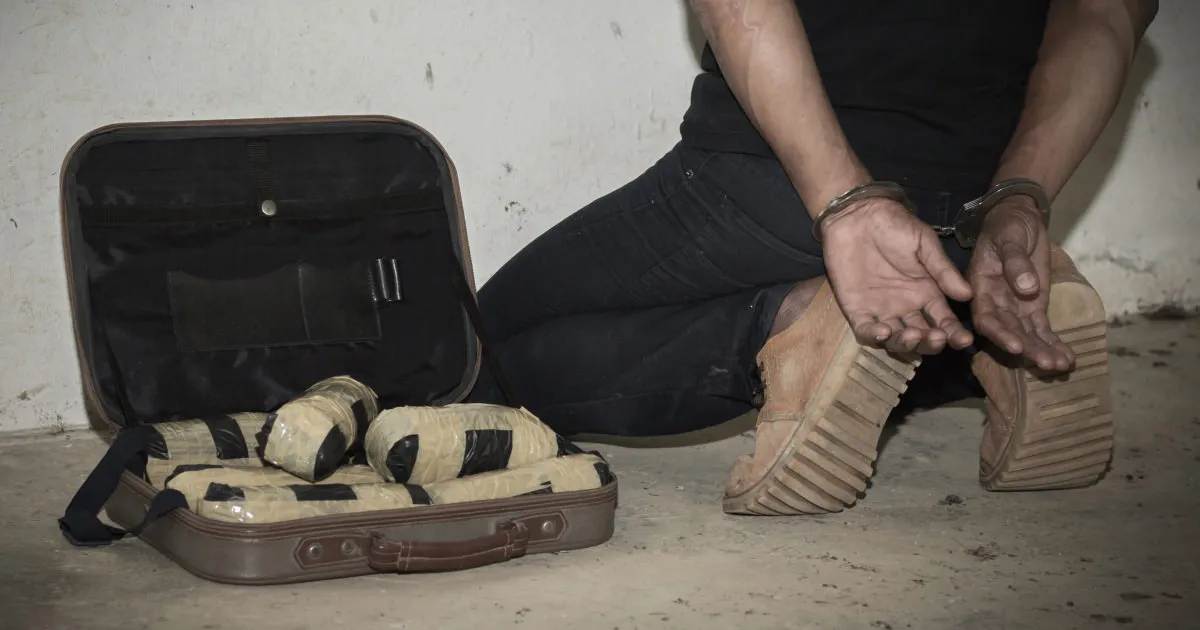
We defend every category of criminal charge heard in NSW courts. Each matter gets a tailored defence strategy, a dedicated lawyer, and a fixed-fee quote before we start.









Sydney Criminal Lawyers
How we defend your case
When you're charged with a criminal offence, the right defence lawyer changes everything. Our team appears daily in courts across Western Sydney and greater NSW, from Parramatta Local Court to the Supreme Court.
Legal Clarity
Criminal law is full of technical language and strict deadlines. We explain your charges, the evidence against you, and your realistic options in plain English. Whether you're facing a first offence drug possession charge or a serious indictable matter, you'll know exactly where you stand and what comes next.
Complex Legal Procedures
From the police station to the courtroom, criminal proceedings follow a strict process with real consequences at every step. We manage bail applications, evidence gathering, subpoenas, court mentions and contested hearings so nothing falls through the cracks. Our team handles the process while you focus on your life.
Court Representation
Strong courtroom advocacy wins cases. Our lawyers have appeared in hundreds of defended hearings and jury trials across NSW courts. We cross-examine prosecution witnesses, challenge evidence admissibility, and present compelling submissions to magistrates and judges on your behalf.
Criminal Defence Results
Not every charge ends in conviction
Being charged doesn't mean being convicted. Many criminal matters in NSW are withdrawn, dismissed or result in non-conviction orders like Section 10 dismissals. We examine every angle of the prosecution's case to find the defence that protects your record and your future.
Unfair Prosecution
Prosecutors don't always get it right. Weak evidence, procedural errors, and overcharged offences are common. We analyse the brief of evidence line by line, identify every weakness, and hold the prosecution to its burden of proof.
Evidence Handling
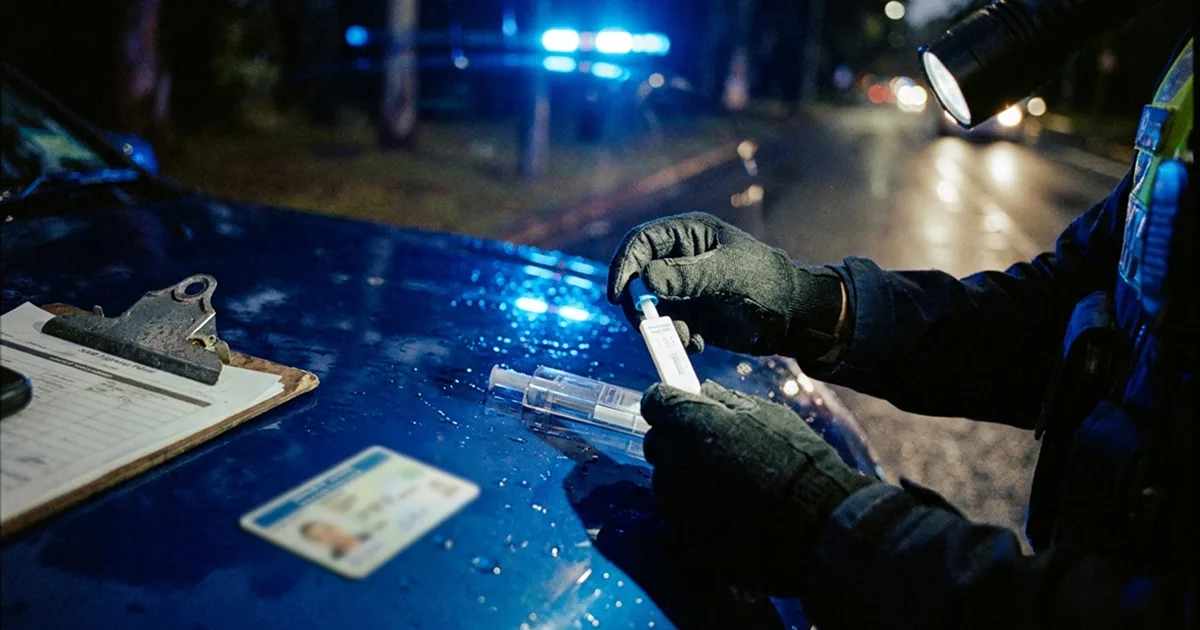
Every criminal case turns on evidence. We review CCTV, body-worn camera footage, forensic reports, phone records and witness statements to build your defence. Where evidence has been improperly obtained or is unreliable, we apply to have it excluded.
Case Delays
Criminal matters can drag on for months if left unmanaged. We push for early resolution where it benefits you, whether that's negotiating with prosecutors before the hearing date or preparing for a defended hearing that ends the matter decisively.




How it works
take control & protect yourself
At JBP Law, we accompany you at every step of your journey towards justice. Our supportive and structured process aids you in securing your future through expert legal representation and strategic defence planning.
1. Book Consultation
Booking a consultation with JBP Law is the first step towards securing your defence. Simply fill in the contact form to talk to one of our criminal defence lawyers about your case.
2. Case Evaluation
During the case evaluation, our experienced lawyers will provide a detailed analysis of your situation and discuss your legal options. This thorough evaluation helps us tailor the best defence strategy for your specific circumstances.
3. Strategic Planning
Crafting a customised defence strategy is crucial for building a strong case. Our lawyers at JBP Law gather evidence, interview witnesses, and prepare your case for trial, ensuring that all police and prosecution evidence adheres to legal standard.
4. Court Representation
JBP Law offers expert advocacy both in and out of the courtroom. Whether you plead guilty or not guilty, our experienced criminal defence lawyers will represent you with professionalism and dedication, ensuring the best possible outcome for your case.
5. Resolution
Our team at JBP Law is relentless in its pursuit of achieving the best possible outcome for your case. Through strategic defence planning and expert legal representation, we strive to resolve your case efficiently and effectively.
Testimonials
FAQ
Frequently Asked Questions
What should I do if police want to question me?
You've been pulled over, or police have shown up at your door. Your heart is racing. Here's what you need to know: you don't have to say anything beyond your name and address.
Under the Law Enforcement (Powers and Responsibilities) Act 2002 (LEPRA), you have the right to silence. That means you can decline to answer questions, refuse a recorded interview, and ask to speak to a lawyer before doing anything else. Use that right. What you say to police in the first hour often matters more than what your lawyer says in court months later.
Police can hold you for up to six hours for investigation purposes. They must caution you before questioning, explain your rights, and allow you to contact a solicitor. If they don't follow these steps, anything you say may be challenged and excluded from evidence under s138 of the Evidence Act 1995.
Here's what we tell every client: be polite, give your name and address, and say nothing else until you've spoken to a lawyer. Don't volunteer information, don't try to explain your side, and don't agree to a "quick chat." It doesn't matter if you're innocent. Talking without legal advice can create problems that didn't exist before.
If you're under 18, police must also allow a support person to be present during questioning. That's the law, not a favour.
We're available 7 days a week, including after hours for urgent matters. If you or someone you know has been contacted by police, call us before the interview. That one call can change the entire direction of your matter.
What does a criminal defence lawyer actually do?
A criminal defence lawyer does three things: protect your rights, test the prosecution's evidence, and represent you in court.
When you're charged with an offence, police compile a brief of evidence. This includes witness statements, CCTV footage, body-worn camera recordings, phone records, forensic analysis, and any other material the prosecution plans to use against you. Your lawyer reviews every page of that brief and looks for weaknesses. Was the search lawful? Was the evidence handled properly? Did police follow LEPRA requirements during the arrest? These details matter.
From there, we build a defence strategy based on the facts of your matter, not a generic template. That might mean negotiating with prosecutors to withdraw or downgrade charges before the hearing. It might mean preparing for a contested hearing or jury trial where we cross-examine witnesses and challenge evidence admissibility. Every matter is different.
We also handle the procedural side: bail applications, adjournments, subpoenas, mentions, and sentencing submissions. Our lawyers appear at Local Courts across Sydney, including Parramatta, Blacktown, Penrith, Liverpool, Bankstown, and Fairfield, as well as the District Court and Supreme Court for serious indictable matters.
The difference between a good defence lawyer and a poor one often comes down to preparation. A thorough review of the brief, a clear understanding of the applicable legislation (whether that's the Crimes Act 1900, the Drug Misuse and Trafficking Act 1985, or the Road Transport Act 2013), and experience in the specific court where your matter will be heard. That's what we focus on.
If you've been charged and don't know where to start, a case review with our criminal defence lawyers covers everything: the charges, the evidence, and a clear outline of your options.
How much does a criminal defence lawyer cost in Sydney?
Cost is usually the first question, and it should be. You deserve to know what you're paying before you commit.
Criminal lawyer fees in Sydney depend on three things: the seriousness of the charge, which court the matter is heard in, and whether you're pleading guilty or contesting it. A straightforward guilty plea in the Local Court costs less than a defended hearing. A District Court jury trial costs significantly more than either.
Hourly billing is common in the industry, with rates typically sitting between $300 and $600 per hour for experienced criminal lawyers. The problem with hourly billing is unpredictability. You don't know the final cost until the matter is finished, and that creates stress on top of stress.
For eligible bail applications and traffic offences, we offer fixed-fee packages so you know the total cost before we start. Bail assessments start at $660 (plus GST) and traffic defence packages from $3,300 (plus GST).
For other criminal matters, costs depend on the charges, the volume of evidence, and the court level. Every client gets a clear quote after an initial assessment. No vague estimates, no surprise invoices later. We'll walk you through the fee structure so you can make an informed decision before committing.
The starting point is a confidential case review. We assess the brief of evidence, explain your realistic options, and outline what the matter is likely to cost. One thing we won't do is quote you the cheapest price just to get you in the door and then add costs later. If a matter is going to be complex, we'll tell you upfront.
Can I avoid a criminal record for a first offence?
This is the question that keeps people awake at 2am. You've been charged, and all you can think about is whether this will follow you for the rest of your life. In many first-offence matters, the answer is no, it doesn't have to.
NSW courts have the power to deal with charges without recording a criminal conviction. Under section 10 of the Crimes (Sentencing Procedure) Act 1999, a magistrate or judge can:
- s10(1)(a): Dismiss the charge outright. No conviction, no conditions, no penalty.
- s10(1)(b): Place you on a Conditional Release Order (CRO) without recording a conviction. This lasts up to two years and may include conditions like good behaviour.
- s10(1)(c): Refer you to an intervention program without conviction.
The court weighs your character, the circumstances of the offence, and the practical consequences a conviction would have on your life (employment, professional licences, travel, visa status). First offenders with clean records are in the strongest position.
For drug-related charges, the MERIT program (Magistrates Early Referral Into Treatment) is another pathway. It's a 12-week diversion program run through participating Local Courts across NSW, including Parramatta. Completing MERIT successfully gives the magistrate a strong reason to impose a non-conviction order.
We've secured section 10 dismissals for clients charged with drug possession, common assault, low-range drink driving, and a range of other offences. Not every matter qualifies, and we'll be straight with you about your chances. But if there's a realistic path to keeping your record clean, we'll build the strongest possible case for it.
What happens at my first court date?
If you've never been to court before, your first mention can feel overwhelming. It shouldn't be. Here's what actually happens.
Your first appearance (called a "mention") is short. Usually a few minutes. The magistrate will confirm the charges, check whether you have a lawyer, and in most cases adjourn the matter to a later date. That adjournment gives your lawyer time to obtain the police brief of evidence, review it, and prepare your defence.
You won't be asked to give evidence. You won't be cross-examined. In most Local Court matters, you won't even need to enter a plea at the first mention. It's administrative, not adversarial.
Here's what you need to do on the day. Arrive at least 30 minutes early. Dress as you would for a job interview: neat, clean, no hats, no sunglasses indoors. Bring your Court Attendance Notice (CAN) and any bail paperwork. Turn your phone off before you enter the courtroom.
At Parramatta Local Court, your matter will be listed with dozens of others. When your name is called, stand up, approach the bar table with your lawyer, and the magistrate will deal with the matter. If your lawyer is handling it, you may not even need to speak.
After the first mention, the real work begins. We'll get the brief, go through every piece of evidence, and sit down with you to discuss strategy: are we negotiating with prosecutors, preparing for a defended hearing, or building a case for a section 10 dismissal? That conversation happens after the first court date, not at it.
If you've got a mention coming up and don't have a lawyer yet, don't wait until the morning of. Call us this week and we'll make sure you're prepared.
Can JBP Law help with emergency bail applications?
Someone you care about has been arrested and refused bail by police. They're sitting in a cell at the police station or in custody at the court complex. You need help now, not tomorrow.
We handle emergency bail applications 7 days a week. When you call, we assess the charges, review the bail concerns, and prepare a bail application for the earliest available court sitting. If your family member was arrested overnight, we can be at Parramatta Local Court by morning.
Under the Bail Act 2013, bail decisions come down to two questions. First, does the accused need to "show cause" why detention isn't justified? Show cause applies to serious charges like supply of commercial quantities, firearms offences, and certain domestic violence matters. Second, does the person pose an "unacceptable risk" of failing to appear, committing further offences, or interfering with witnesses?
Our job is to present the strongest possible case on both fronts. That means preparing a bail plan: a proposed address, a surety (someone willing to put up money or a guarantee), reporting conditions, and anything else that reduces the perceived risk. We've done this hundreds of times. Our bail application success rate sits at 90%.
If the Local Court refuses bail, we can take the matter to the Supreme Court for a fresh hearing. Supreme Court bail applications are more complex, but they're sometimes the only option for serious indictable charges.
Bail assessments start at $660 (plus GST). If you need us tonight, call. We're open 7 days.
Should I plead guilty or fight the charge?
Every client asks this, usually before anything else. And the honest answer is: it depends on what the evidence actually shows.
We won't tell you to fight a charge that can't be won. And we won't tell you to plead guilty when the prosecution's case has holes in it. Both of those approaches waste your money and your time. What we will do is review the brief of evidence, assess the strength of the prosecution's case, and give you a straight recommendation.
Here's how we think about it. If the evidence is strong and a conviction is likely, an early guilty plea under section 22 of the Crimes (Sentencing Procedure) Act 1999 can attract a sentencing discount of up to 25%. That might be the difference between a community-based order and actual custody. It might also open the door to a section 10 dismissal if the offence and your record support it. Timing matters. The earlier you indicate the plea, the larger the discount.
If the evidence has problems, that's a different conversation. Maybe police conducted an unlawful search. Maybe the key witness has credibility issues. Maybe the charge itself is wrong, and a lesser charge reflects what actually happened. In those situations, contesting the matter or negotiating with the prosecutor can produce a much better result than pleading early.
Some clients come to us wanting to fight everything. Others want to plead guilty immediately just to make it stop. Both instincts are understandable, but neither is a strategy. The brief of evidence is the starting point. Once we've reviewed it, we'll sit down with you and walk through the realistic options, including the ones you might not want to hear.
What happens if I'm charged with a domestic violence offence?
A domestic violence charge hits differently from other criminal matters. You may be removed from your home the same night. An ADVO can restrict where you live, who you contact, and whether you see your children, all before the criminal matter is even heard.
Here's what's actually happening when police charge you with a DV offence. Two things run at the same time. First, the criminal charge itself: common assault, intimidation, stalking, or property damage under the Crimes Act 1900. Second, an Apprehended Domestic Violence Order (ADVO) under the Crimes (Domestic and Personal Violence) Act 2007. The ADVO is not a criminal conviction. It's a set of conditions the court imposes to protect the other person. But breaching those conditions is a criminal offence carrying up to two years imprisonment under s14 of the Act.
The bail situation is more complex than most other charges. DV offences are "show cause" matters under the Bail Act 2013. That means the court starts from a position of detention, and your lawyer must demonstrate why you should be released. Police often impose bail conditions the same night: no contact with the complainant, exclusion from the family home, and reporting requirements. These conditions apply immediately, even before you've been to court.
Many DV matters are contested. Allegations made during emotional, high-conflict situations don't always reflect what happened. We review the evidence, including statements, call records, CCTV, and any history between the parties, and advise you on whether the charge can be challenged, negotiated down, or resolved with a non-conviction order.
The practical consequences of a DV conviction go beyond the penalty. It affects family law proceedings, Working With Children checks, firearms licences, and professional registrations. If there's a defence, it needs to be built early. Call us and we'll assess where things stand.
Will I lose my licence if I'm charged with drink driving?
Probably, yes. But the length of the disqualification and whether you end up with a conviction on your record both depend on the specifics.
Under the Road Transport Act 2013 (s110), drink driving charges are categorised by your blood alcohol concentration (BAC) at the time:
- Low range PCA (0.05-0.079): 6-month automatic disqualification for a first offence. Minimum 3 months if the court reduces it.
- Mid range PCA (0.08-0.149): 12-month automatic disqualification. Minimum 6 months. Mandatory interlock program for at least 12 months.
- High range PCA (0.15+): 3-year automatic disqualification. Minimum 12 months. Mandatory interlock for at least 24 months.
The interlock device is fitted to your vehicle and requires you to pass a breath test before the engine will start. It's not optional for mid-range and high-range offences.
Here's where a lawyer makes a difference. For low-range first offences, we regularly apply for section 10 dismissals. If the court grants a section 10, there's no conviction and no disqualification. You keep your licence. The court considers your driving history, BAC level, personal circumstances, and whether a conviction would be disproportionate (impact on employment, for example).
For mid-range and high-range charges, the goal is a shorter disqualification period and the strongest possible sentencing submissions. Character references, evidence of rehabilitation (like completing a traffic offender program), and your personal circumstances all factor into the outcome.
If you've been charged with drink driving and your licence matters for work, get legal advice before the court date. We'll tell you exactly where you stand and what can realistically be done.
Do I need a lawyer for a minor charge or traffic offence?
"It's only a minor charge. Do I really need a lawyer?"
We hear this a lot. And the honest answer is: you probably need one more than you think.
Here's why. What feels "minor" at the time, a shoplifting charge, a common assault, a low-range PCA, still creates a criminal record if you're convicted. That record doesn't expire. It shows up on police checks for employment, Working With Children screenings, professional licence applications, and visa assessments. A conviction for something that happened on one bad night can follow you for decades.
The good news is that many of these charges are exactly the type where a section 10 dismissal is possible. No conviction, no record. But magistrates don't hand these out automatically. You need to present a structured case: character references, evidence of remorse, a clear explanation of the circumstances, and submissions on why a conviction would be disproportionate. That's what a lawyer prepares.
For traffic offences, the stakes are different but still real. Accumulating 13 demerit points in three years triggers an automatic licence suspension. A single offence can push you over the threshold. And some traffic offences (dangerous driving, driving while suspended) carry the possibility of imprisonment. These aren't "minor" in the way most people think.
We've represented clients who originally planned to represent themselves, changed their mind after reading the brief of evidence, and ended up walking out of court with no conviction. A case review isn't a commitment to a full defence. It's a chance to understand what you're actually facing and whether professional representation would change the outcome. For most people, it does.
Why choose JBP Law over other criminal lawyers?
We've been defending criminal matters since 2013. In that time, we've appeared in hundreds of defended hearings and jury trials across NSW courts. But credentials on a website only tell you so much. Here's what actually sets us apart.
Clear pricing from day one. We offer fixed-fee packages for eligible bail applications and traffic offences. For other matters, you get a tailored quote after an initial consultation, not a vague estimate that grows over time. Book a confidential case review and we'll cover the charges, the evidence, and your realistic options before you commit to anything.
90% bail success rate. Bail applications are one of the most time-sensitive parts of criminal law. We handle them 7 days a week, including after hours when someone has been arrested overnight. If a family member is in custody, we can be at court by morning.
We appear at your court. Our lawyers appear at Local Courts across Sydney, including Parramatta, Blacktown, Penrith, Liverpool, Bankstown, and Fairfield, plus the District Court and Supreme Court for serious indictable matters. Knowing the court, the magistrates, and the prosecutors in a particular jurisdiction matters more than most people realise.
We'll tell you the truth. If the evidence against you is strong and fighting the charge isn't in your interest, we'll say so. If the prosecution has overcharged and a negotiation could get you a better outcome, we'll pursue it. If there's a realistic path to a section 10 dismissal, we'll build the case for it. You won't get false hope or inflated promises. You'll get a straight assessment and a clear plan.
Open 7 days. Criminal matters don't wait for business hours. Neither do we. Call 1800 527 529 or fill in the form above to book a case review.